A field guide to buying in rural Spain

The right place in rural Spain, decoded.

For people thinking about a second home, an investment yield, or a base in Spain — between €200k and €500k. No fluff, no commission games, no romanticised drone shots without the price tag attached.

The 2026 Buyer's Guide arrives instantly. One letter every Saturday after that. Unsubscribe in one click.

Why this exists

Rural Spain is having a moment. Most of the writing about it is bad.

The portals optimise for clicks, not for whether the village has running water in August. The expat YouTube channels chase the algorithm. The agencies are paid by sellers and write copy to match. Almost nobody is walking the regions, photographing them in the off-season, sitting with the gestor and the notary, and writing down what they actually find.

That's the gap La Otra Vida fills. I'm not selling you a house today — there isn't one yet. I'm building a list of people who want the truth about three regions of Spain, in plain English, with the numbers attached. When the first home is ready, you'll already know whether it's for you.

The dream, on a Tuesday

Long lunches. Real bread. Light that lasts.

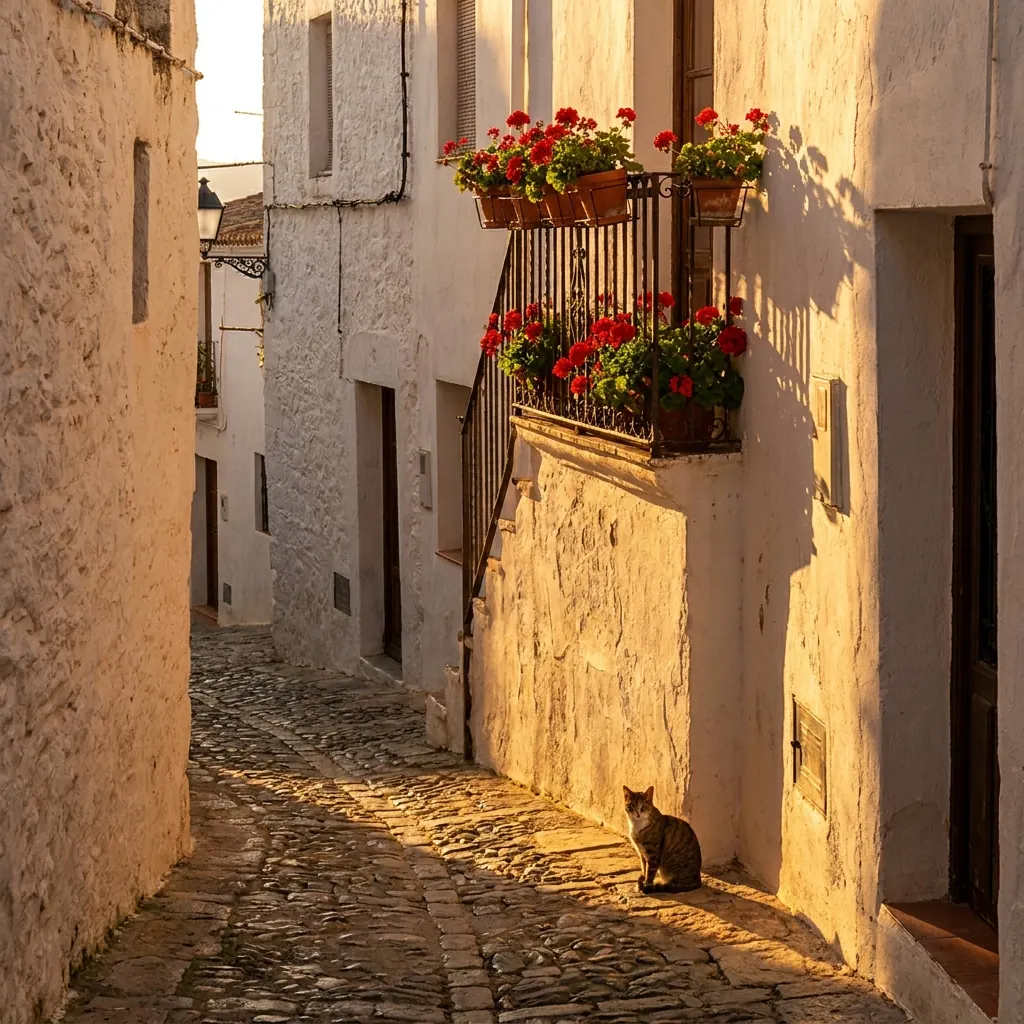
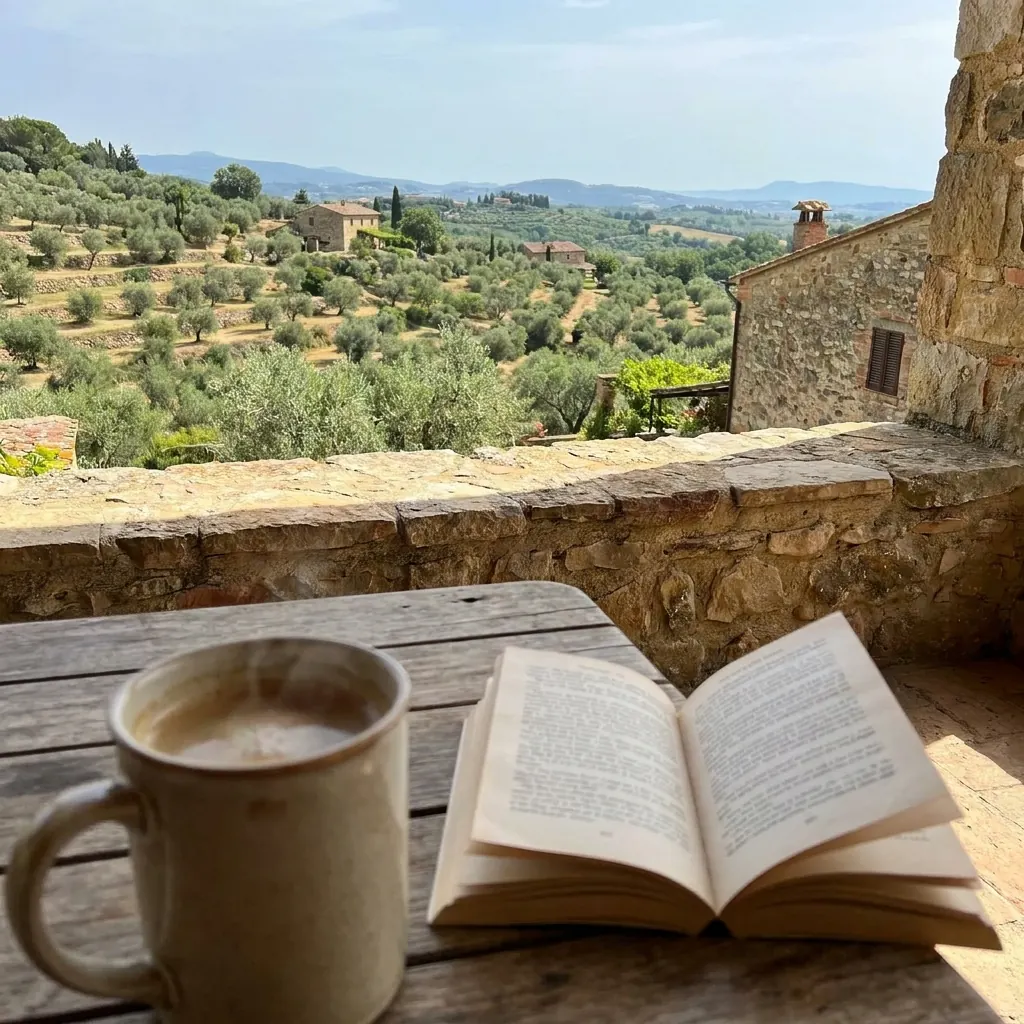
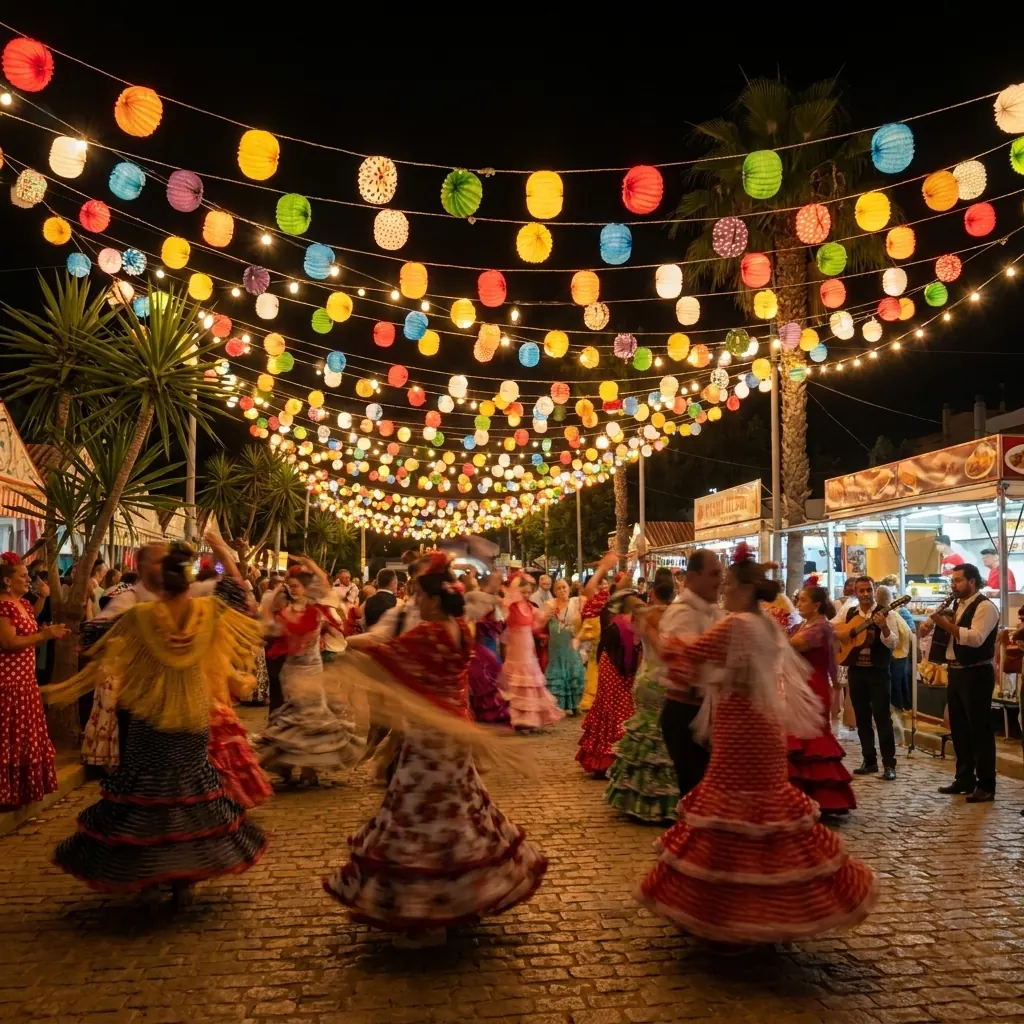
The reason most people end up in rural Spain isn't the price per square metre. It's what the price buys back — slower mornings, a market on Wednesdays, neighbours who notice when you're away, light that hangs in the air for an hour after sunset, and the kind of dinner that starts at ten and ends when someone opens another bottle. The photographs below are not properties. They're what Tuesday looks like.

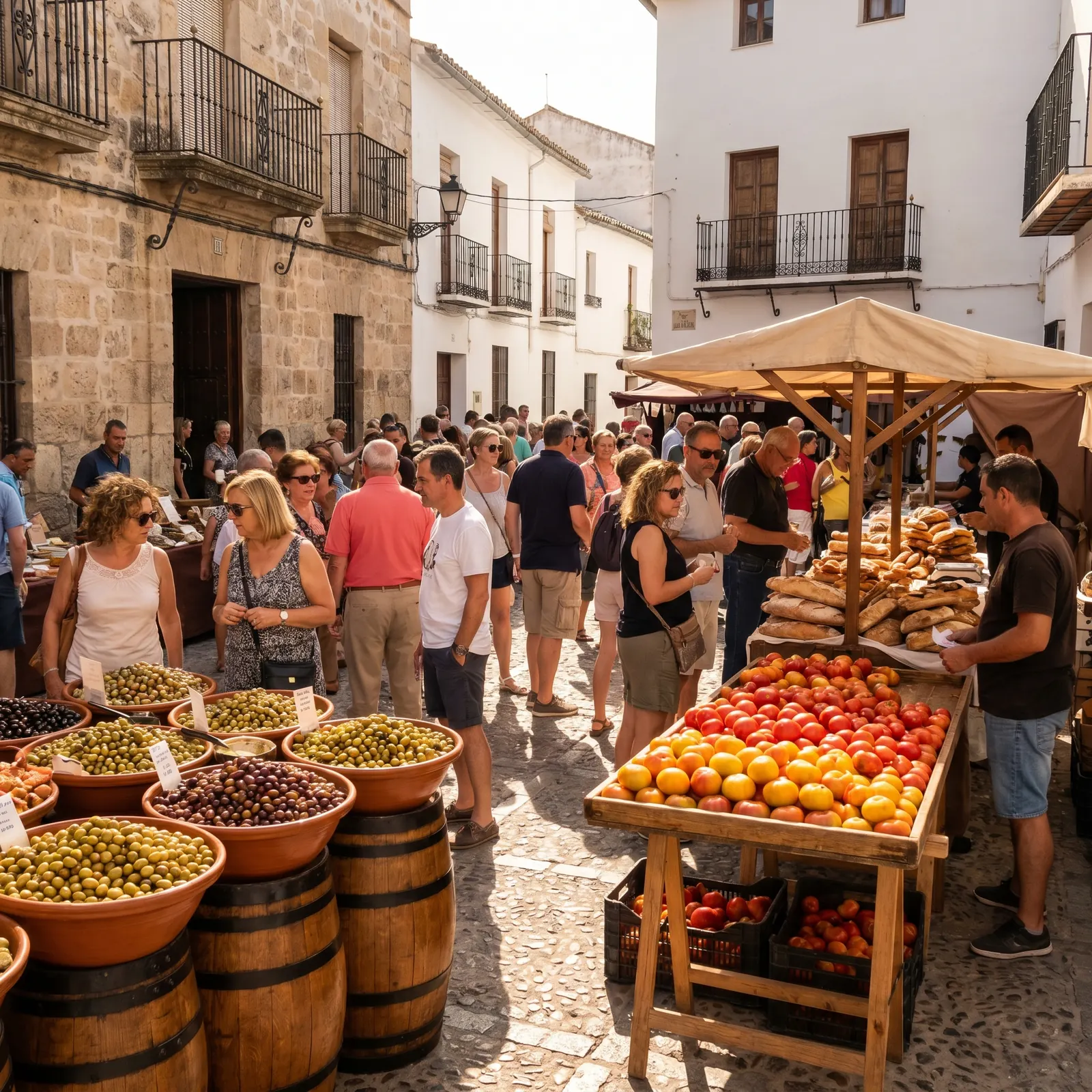
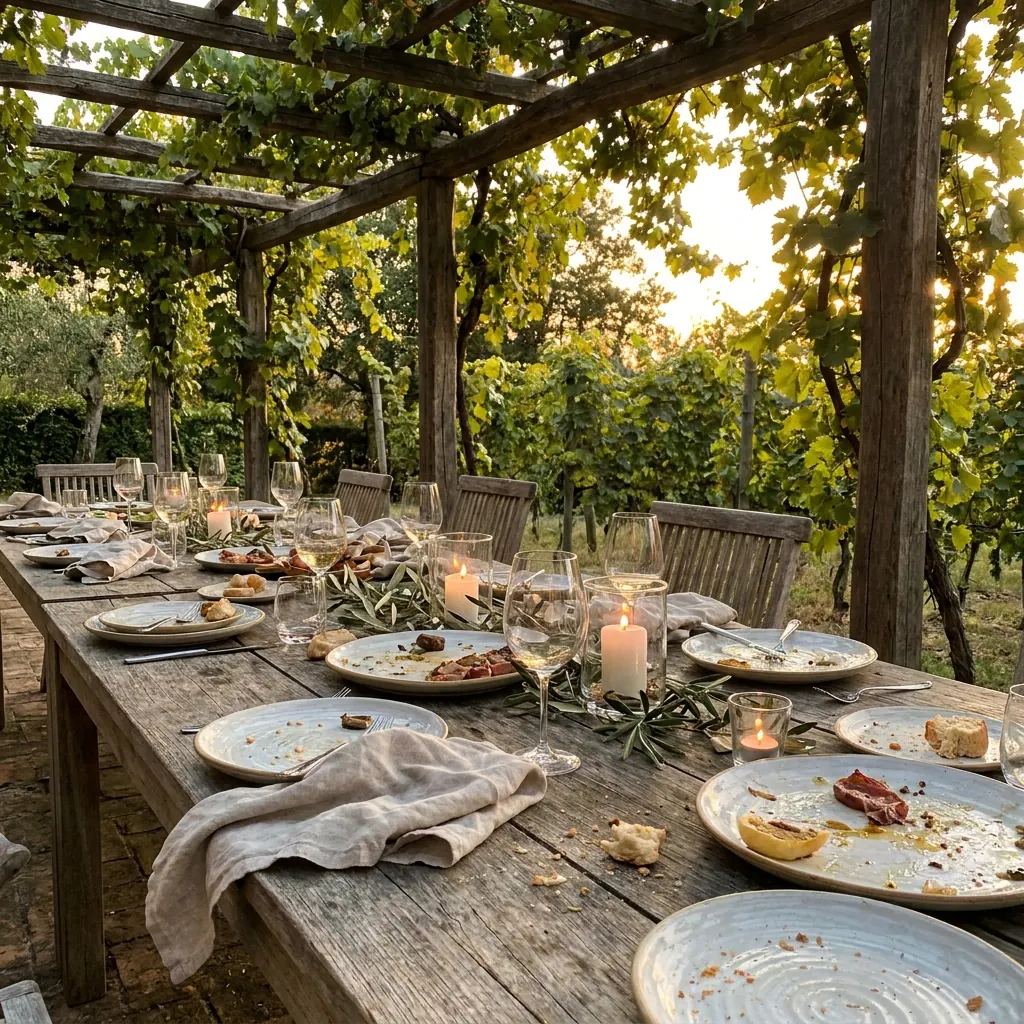
A Wednesday market in an Andalusian village square. A long lunch under a vine pergola, late afternoon. A cobbled lane in golden hour. A coffee and a book on a terrace overlooking olive groves. A village fiesta at night under paper lanterns. A walker on a dirt path between dry-stone walls.

None of these are listings. Every one of them is a Tuesday somewhere in the regions we cover.

What lands in your inbox

The 2026 Buyer's Guide to Rural Spain

A 20-page PDF covering the three regions worth your attention, the NIE, how foreign-buyer taxes actually work, the digital-nomad visa, and what €200k–€500k really buys you in 2026. Updated annually, sent to your inbox the moment you sign up.
The Saturday letter

One region, one property worth talking about, one process tip, one thing I read this week. Short, specific, and written from the road — not a desk in Madrid. Six-minute read, every Saturday morning your local time.

Honest, on-the-ground intel

What the listing photos hide. The villages worth a second look. The deals that fell through and what they taught me. The quiet luxury plays nobody is writing about yet. The kind of detail you'd normally only get from a friend who already moved here.

Where we focus

Three regions of Spain. One letter each Saturday.

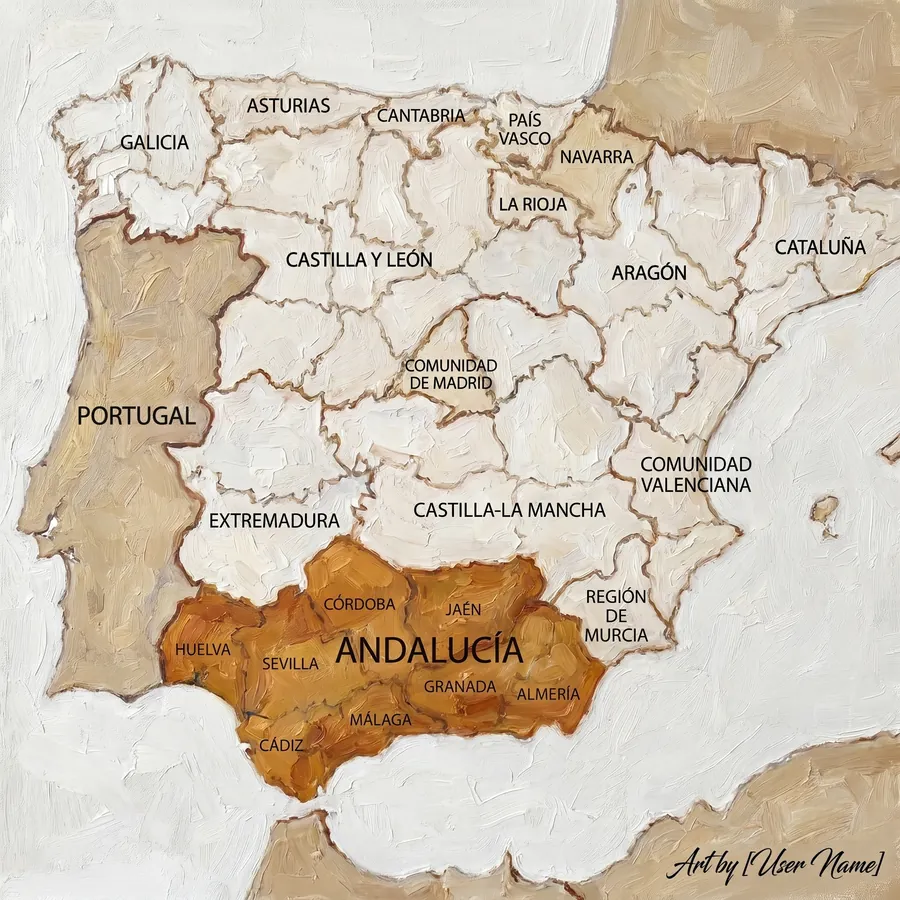
We don't cover the whole peninsula. These are the corners with the right balance of beauty, infrastructure, value, and a path to residency.

Andalusian whitewashed pueblo at golden hour

The headline region

Andalucía

Sierra de Aracena, the Alpujarras, the Axarquía, the inland Cádiz villages. Long warm season, mature international community, the most photogenic country in Spain. The price-per-square-metre is climbing but still rational outside the coast.

From €1,200/m² inland · From €2,400/m² near the coast

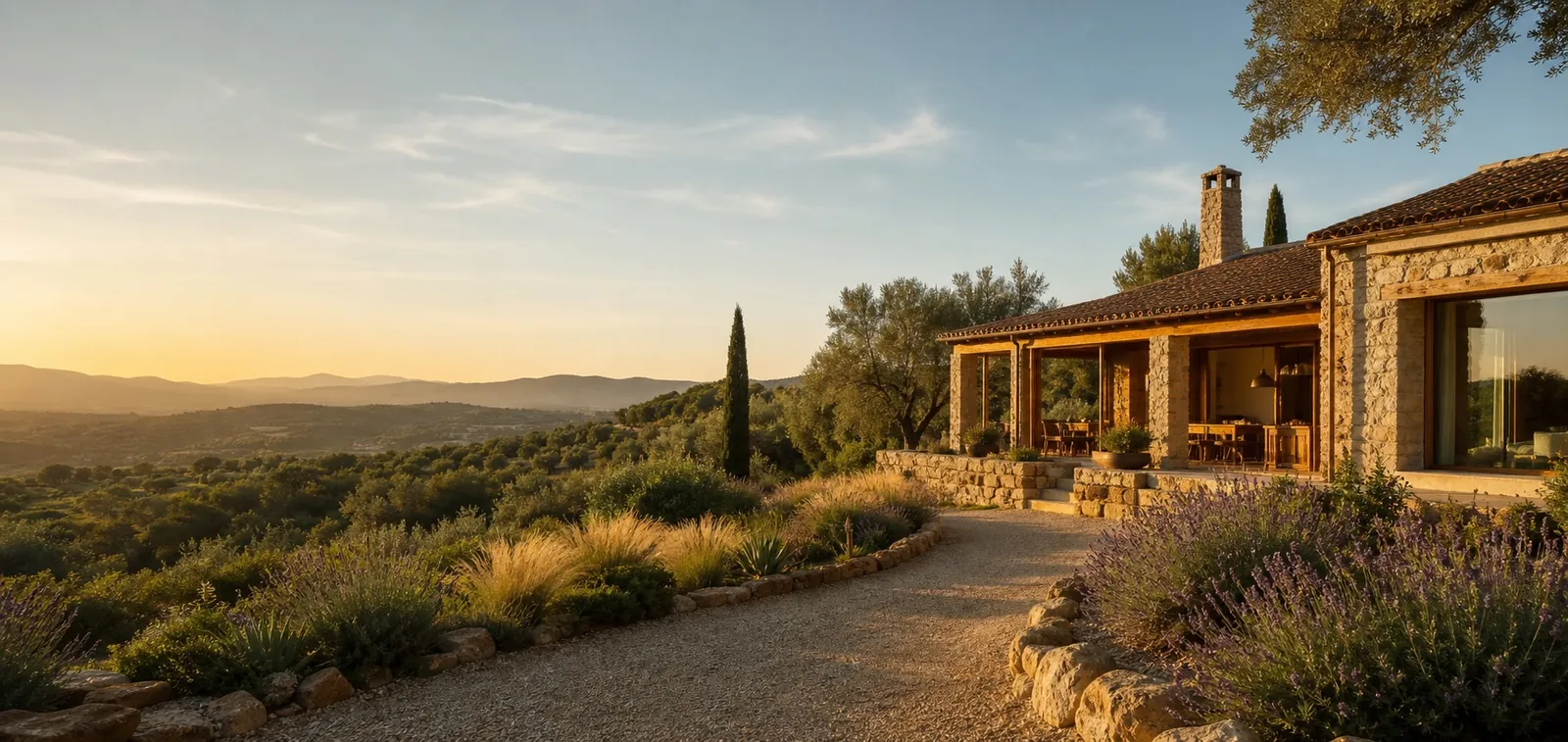
Empordà stone farmhouse with cypress trees

The quiet luxury arc

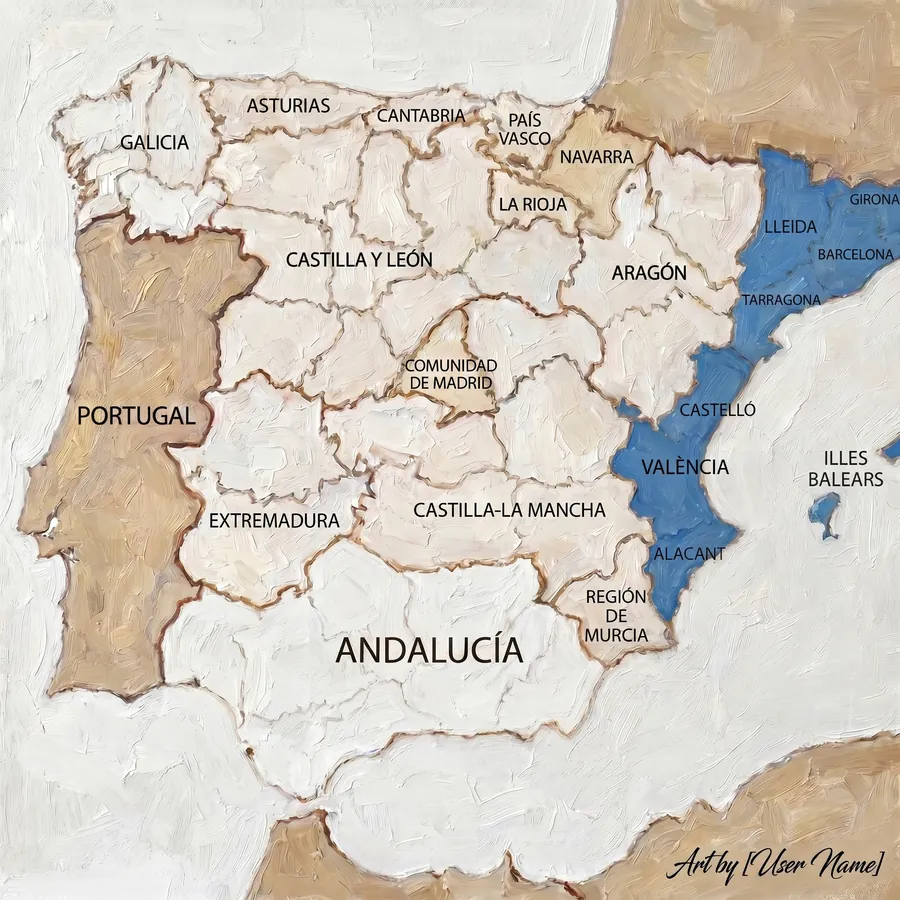
Catalonia · Valencia · the Balearics

The Empordà, the Maestrazgo, inland Mallorca, the Marina Alta. Closer to airports, stronger food culture, more European in feel. This is where the second-home buyer with a yield mindset spends most of the search.

From €1,800/m² inland · From €3,500/m² in the headline villages

Extremaduran dehesa with cork oaks

The undervalued belt

Castilla · Extremadura · La Rioja

Sierra de Gata, the Ribera del Duero, the Maestrazgo turolense, the Sierra de la Demanda. The slowest internet, the cheapest land, the longest stories. Where the patient buyer finds a €120/m² hill-village house that will be worth three times that in a decade.

From €120/m² in the deep villages · From €900/m² in the towns

The lead magnet, opened up

Twenty pages, written for the buyer, not the seller.

The guide is the same brief I'd give a friend planning their first viewing trip. No filler, no upsell, no affiliate links.

01

The three regions, side by side, with prices and trade-offs.

02

What €200k, €350k, and €500k actually buys you in each.

03

The NIE — what it is, why you need it, how to get one without a lawyer if you're doing it the simple way.

04

Foreign-buyer taxes, in one table. ITP, IVA, AJD, plusvalía, IBI, non-resident income tax. Numbers, not jargon.

05

The Spanish digital-nomad visa — eligibility, the 24% flat rate, where the application actually trips people up.

06

Reading a nota simple. The five lines that matter.

07

The renovation cost spread by region — what €30k, €80k, and €150k look like in practice, with photos.

08

Ten questions to ask before flying out for a viewing.

09

The team you'll need — gestor, lawyer, surveyor, notary, broker. What each one does, what they cost, and how to vet them.

10

A 12-month timeline from "I'm thinking about it" to handover.

Sign up above and the PDF lands in your inbox in under five minutes.

The process, demystified

From "I'm thinking about it" to handover, in six steps.

Buying property in Spain as a foreigner is not complicated, but it is specific. The order matters. Here's how it actually goes — written the way I'd explain it to a friend over a long lunch, not the way the agencies write it on their FAQ pages.

01

Decide where, not which

Region first, property second. Pick one of the three regions and spend a season reading about it before you book a flight. Most expensive mistakes start with someone falling in love with a listing before they've fallen in love with the postcode.

2–8 weeks

02

Get your NIE

The Spanish foreign-resident tax number. You cannot sign anything that costs money in Spain without one. Apply at a Spanish consulate in your country, or get a power of attorney and let a gestor file it for you. Cost: €10–€200 depending on the route.

2–6 weeks

03

The viewing trip

Three to five days, one region, six to ten properties. We always include the villages around the listing — the property is only ever as good as the postcode it sits in. By the end of the trip you'll know whether the region is right for you, even if no specific property was.

3–5 days on the ground

04

Offer and reservation contract

A written offer (oferta) followed by a small reservation deposit (€3,000–€10,000) that takes the property off the market for two to four weeks. This is when due diligence begins — title search, nota simple, urban planning checks, debt searches.

1–2 weeks to negotiate

05

Arras contract and 10% deposit

The serious deposit. The contract that commits both sides. From this point, walking away costs the buyer the deposit and costs the seller double the deposit back. Most legal work happens between this signing and completion.

4–8 weeks until close

06

Closing at the notary, keys in hand

Public deed signed in front of a notary, balance wired, keys exchanged. Property registered in your name within four to six weeks of the signing. From offer to keys is typically three to four months for a clean sale, six to nine months if there are complications in the title.

Half a day at the notary

The team you'll need

The five people who actually close the deal.

The gestor.
Your administrative quarterback. Files the NIE, the modelos, the registrations, the tax payments. €600–€2,500 a year, depending on volume.
The lawyer (abogado).
Reads the contracts, runs the title and debt searches, attends the notary. €1,500–€3,500 for a typical transaction. Hire your own — never the seller's.
The surveyor (arquitecto técnico).
Walks the property and writes the structural report. Worth every euro, especially on rural stone houses. €400–€900.
The notary (notario).
A neutral state official who registers the deed. You don't choose them so much as inherit them. Cost is regulated, typically €500–€1,500.
The currency broker.
Wise, OFX, or Currencies Direct. Saves a typical buyer €3,000–€8,000 versus a high-street bank on a €350k transfer.

The full version of this — with the modelo numbers, the timelines, and the questions to ask each one — is in the buyer's guide.

The method

Four principles I won't compromise on.

01

Walk the village before you trust the listing

Every property I write about, I've stood in front of. Every region card on this page, I've spent weeks in. The shortcut is to repost agency photos. I don't take it.

02

Numbers before romance

Beauty closes the deal. Numbers decide if it's the right deal. Every property write-up includes the price-per-square-metre, the local IBI, an estimated renovation cost, and — for yield buyers — a realistic occupancy and ADR for the postcode.

03

If a deal is wrong, I'll say so

The newsletter has a recurring column called "the one I didn't buy." Roughly half the properties I evaluate fail one test or another. I write up the failures because the lessons matter more than the wins.

04

Your inbox is borrowed, not owned

One letter a week. No drip funnels, no upsell sequences, no re-engagement campaigns when you go quiet. If you stop reading, that's a signal — not a problem to solve with more email.

Sep, founder of La Otra Vida, photographed in Andalucía

Who's writing

Sep — developer, walker, byline.

I'm Sep — a real estate developer based in Spain, focused on mid-market homes in three regions: Andalucía, the Catalonia–Valencia–Balearics arc, and the inland Castilla–Extremadura–La Rioja belt. I'm not a flipper and I'm not a portal. I source, evaluate, and develop a small number of homes a year for buyers who want the right place, not the loudest listing.

Before this I spent years investing in property and learning the long way that the difference between a good outcome and a painful one is almost always the local detail nobody told you. That's the gap this newsletter exists to close. I write it from the road — usually from a cafe in whichever village I'm walking that week — and I read every reply.

Rural Spain rewards patience and punishes shortcuts. The newsletter is the long version of that sentence. — Sep

A sample of what arrives Saturday

From the letter dated 11 April 2026.

The region —

Sierra de Aracena, Andalucía

I spent Tuesday walking from Alájar to Linares de la Sierra. Six kilometres of cobbled path, two cafes, one stork's nest the size of a kitchen table. The villages here are smaller than people expect — Linares is forty-eight permanent residents — and the price per square metre reflects it: €820/m² for a habitable village house in April, down from a peak of €960 in 2023.

The property —

a three-bedroom on the plaza in Alájar

Listed at €165,000. I'd offer €142,000 and walk away above €150,000. South-facing terrace, dry-stone walls in the courtyard, twentieth- century roof that needs replacing inside five years (€18k–€24k for the postcode). The Wi-Fi tested at 84 Mbps, which surprised me.

The process tip —

the gestor's first invoice

If your gestor's first invoice doesn't itemise the modelo numbers, ask for a new one. It's a small thing, but it sorts the careful ones from the rest in about ten seconds.

What I'm reading

A 1971 essay by Julio Llamazares on the abandoned villages of León. Linked below. It's the best paragraph I've read this year on what empty Spain actually feels like to walk through.

— Sep

A real letter, lightly anonymised. The next one lands the Saturday after you sign up.

Before you sign up

The questions I get most often.

Not yet. The first home will be ready in late 2026. The newsletter exists to build a relationship before then, so when the first listing goes live you already know whether it's the right one for you. If you want to be at the front of that queue, you'll see a separate "Priority List" option in the newsletter around week twelve.

No. I don't take seller commissions and I don't get paid by the portals. The newsletter is the front door to a small development business. The day I have something to sell, I'll tell you plainly. Until then, the only thing I'm asking for is your attention on Saturday mornings.

Stay anyway. Roughly a third of the list is in research mode and won't move for two or three years. The letter is written to be useful at every stage — including the stage where you're still deciding whether Spain is the right country.

For the newsletter and the guide, no — both are in English. For buying a home, eventually yes, but I cover the workarounds: bilingual gestores, English-speaking notaries by region, and the few moments where you really do need to be in the room with someone who speaks both.

Most of them are great at the dream and light on the math. I try to do both, in writing, with sources. I also focus on three regions instead of all of Spain — because depth beats breadth for the kind of decision you're making.

If you're looking for a fixer-upper under €80k, a beach apartment in Marbella, or a Madrid investment flat, this is the wrong list. The focus is mid-market lifestyle homes, €200k–€500k, in three specific regions. Anything outside that, you'll be better served elsewhere.

For the small number ready now

If you're not in research mode — let's talk.

Most readers join the list and spend three to nine months reading before they decide. That's the right speed. But every month a few people land here who already know the region, the price tier, and roughly when they want to move. If that's you, skip the newsletter and book a call. I take on a small number of buyers per region each year, and the conversation costs nothing.

A call is a conversation, not a sales appointment. If we're not the right fit I'll point you at someone who is — usually within the same twenty minutes.

Still here? Good. The Saturday letter is on its way.

Saturdays only. Unsubscribe in one click.